
Beyond the Baby Blues: Recognizing Postpartum Depression
“Everyone Kept Asking About the Baby, But No One Asked About Me.” The birth of a baby is often celebrated as one of life’s happiest moments. Family and friends visit with gifts, congratulations pour in, and all eyes are
8 August 2026
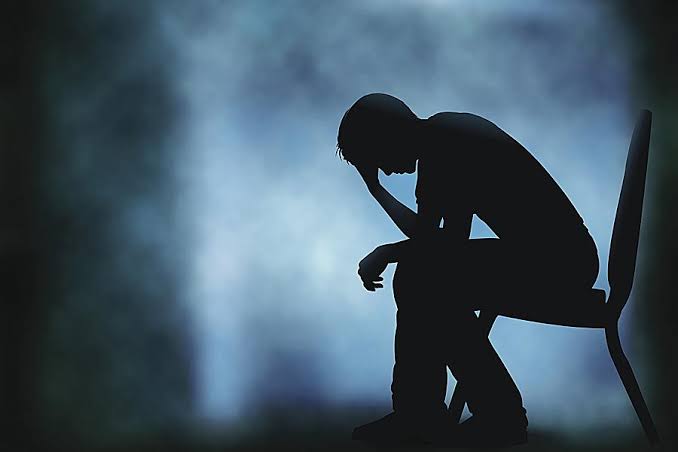
“Everyone Kept Asking About the Baby, But No One Asked About Me.”
The birth of a baby is often celebrated as one of life’s happiest moments. Family and friends visit with gifts, congratulations pour in, and all eyes are on the newborn.
But behind the smiles and celebrations, many new mothers are quietly struggling.
They may feel overwhelmed, disconnected, anxious, or deeply sad. Instead of enjoying every moment, they may find themselves wondering, “Why don’t I feel happy?” or “What’s wrong with me?”
For some women, these feelings are not simply a normal adjustment to motherhood; they may be a sign of postpartum depression (PPD), one of the most common mental health disorders after childbirth. The good news is that postpartum depression is treatable, and no mother should have to face it alone.
What Is Postpartum Depression?
Postpartum depression (PPD) is a mood disorder that can develop after childbirth. It most commonly begins within the first few weeks after delivery, though it can occur at any time during the first year postpartum.
It is more severe and longer-lasting than the “baby blues,” which affect many women in the first few days after birth and resolve within two weeks. Postpartum depression can affect a mother’s emotions, thoughts, physical health, and her ability to care for herself and her baby.
Baby Blues vs. Postpartum Depression
Many new mothers experience mood swings, tearfulness, irritability, and heightened emotional sensitivity shortly after giving birth. This is commonly known as the baby blues (postpartum blues) and is largely related to hormonal changes, physical recovery, and adjusting to caring for a newborn. However, postpartum depression is different. Unlike the baby blues, postpartum depression:
- Lasts longer than two weeks.
- Is more intense.
- Interferes with daily functioning.
- Usually requires professional support and treatment.
Recognizing this difference is essential because many women dismiss their symptoms, hoping they will simply go away.
Why Does Postpartum Depression Happen?
Postpartum depression has no single cause. It usually develops because of a combination of physical, emotional, and social factors.
Risk factors include:
- A previous history of depression or anxiety.
- A previous episode of postpartum depression.
- Depression during pregnancy.
- Difficult labor, delivery, or birth complications.
- Lack of emotional or practical support.
- Sleep deprivation.
- Financial or relationship stress.
- Caring for a baby with medical needs or who requires prolonged hospital care.
- Stressful life events, such as the loss of a loved one, moving, or losing a job.
- Unplanned or unwanted pregnancy.
Having one or more of these risk factors does not mean you will develop postpartum depression. Likewise, some people experience postpartum depression without any known risk factors. Recognizing the signs early and seeking support can make a significant difference.
Signs and Symptoms
Every mother’s experience is unique, but common symptoms include:
- Persistent sadness or frequent crying.
- Feeling hopeless or empty.
- Loss of interest in activities once enjoyed.
- Extreme fatigue that goes beyond normal newborn-related tiredness.
- Difficulty bonding with the baby.
- Feelings of guilt or believing you are a “bad mother.”
- Changes in appetite or sleep unrelated to caring for the baby.
- Anxiety or panic attacks.
- Withdrawing from family and friends.
- Thoughts of harming yourself or your baby (which require immediate medical attention). Having these thoughts does not mean a mother will act on them, but they should always be taken seriously and discussed with a healthcare professional immediately.
Why Early Treatment Matters
The American College of Obstetricians and Gynecologists and the American Academy of Pediatrics recommend repeated screening at prenatal and well-child visits. PPD should be screened for at least once during pregnancy and again postpartum.
Untreated postpartum depression can affect both the mother and her child. It may lead to:
- Difficulty bonding with the baby.
- Challenges with breastfeeding or infant care.
- Increased family stress.
- Delayed emotional and cognitive development in children when maternal depression remains untreated.
- Chronic depression if left unrecognized.
Early treatment improves outcomes for both mother and baby and helps families adjust more successfully to life after childbirth.
Treatment and Recovery
If you or someone you know is experiencing symptoms of postpartum depression, seek help from a healthcare provider or a qualified mental health professional. Recovery is possible, and no one has to face it alone.
Treatment is based on severity but may include:
- Psychological Therapy: Talking therapies such as Cognitive Behavioral Therapy (CBT) and Interpersonal Therapy (IPT) are effective for many women with postpartum depression.
- Medication: For moderate to severe postpartum depression, antidepressant medication may be recommended. Many medications can be used safely during breastfeeding, but treatment decisions should always be made in consultation with a healthcare provider.
- Electroconvulsive therapy: A medical treatment that passes a small electric current through the brain under general anesthesia to trigger a brief seizure. It is safe during pregnancy and lactation and is reserved for severe or medication-resistant PPD.
Other important forms of therapy include:
- Social Support: New mothers need more than baby gifts; they need emotional support. Partners, family members, and friends can help by assisting with household tasks, caring for the baby so the mother can rest, and encouraging open conversations about her feelings.
- Self-Care: Although caring for a newborn is demanding, mothers should be encouraged to rest whenever possible, eat nutritious meals, accept help from others, spend time outdoors if medically able, and stay connected with supportive people.
How Loved Ones Can Make a Difference
Sometimes the first signs of postpartum depression are noticed by those closest to the mother.
Partners and family members should:
- Ask how the mother is coping, not just how the baby is doing.
- Listen without judgment.
- Reassure her that postpartum depression is a medical condition, not a personal failure.
- Encourage her to seek professional help if symptoms persist.
- Offer practical support with childcare and household responsibilities.
A simple question such as, “How are you really feeling today?” can open the door to life-changing conversations.
Summary
Bringing a baby into the world is life-changing, but it is also a period of significant physical, emotional, and psychological adjustment.
While society often celebrates the arrival of a new baby, we must also remember to care for the person who gave birth.
Postpartum depression is common, treatable, and nothing to be ashamed of. Every mother’s experience is unique; some may develop symptoms soon after childbirth, while others may notice them months later. Symptoms and their severity can also vary from person to person.
Likewise, recovery is not the same for everyone. Some mothers recover more quickly, while others may need longer-term support. With timely medical care, appropriate treatment, and encouragement from family, friends, and healthcare professionals, recovery is possible.
Healthy mothers build healthy families. By recognizing postpartum depression early and responding with empathy rather than judgment, we can ensure that no mother has to navigate this journey alone.
References
- American College of Obstetricians and Gynecologists. (2023). Screening and diagnosis of mental health conditions during pregnancy and postpartum. https://www.acog.org
- National Institute for Health and Care Excellence. (2020). Antenatal and postnatal mental health: Clinical management and service guidance (CG192). https://www.nice.org.uk/guidance/cg192
- World Health Organization. (2022). Guide for integration of perinatal mental health in maternal and child health services. https://www.who.int/publications/i/item/9789240057142
- Stewart, D. E., & Vigod, S. N. (2019). Postpartum depression. New England Journal of Medicine, 381(22), 2177–2186. https://doi.org/10.1056/NEJMcp1907649
- American Psychiatric Association. (2022). What is postpartum depression? https://www.psychiatry.org/patients-families/postpartum-depression